 Get a quote Text us
Chemical-resistant coatings
Chemical-resistant coatings.
Battery acid, cleaners and process chemicals eat through ordinary paint, and then start on the concrete underneath.
We coat the floors, berms and rooms that see chemicals with a system chosen for what actually gets spilled there.
- Bonded & insured
- WorkSafeBC procedures
- Since 1934
- 4.9 on Google (18 reviews)
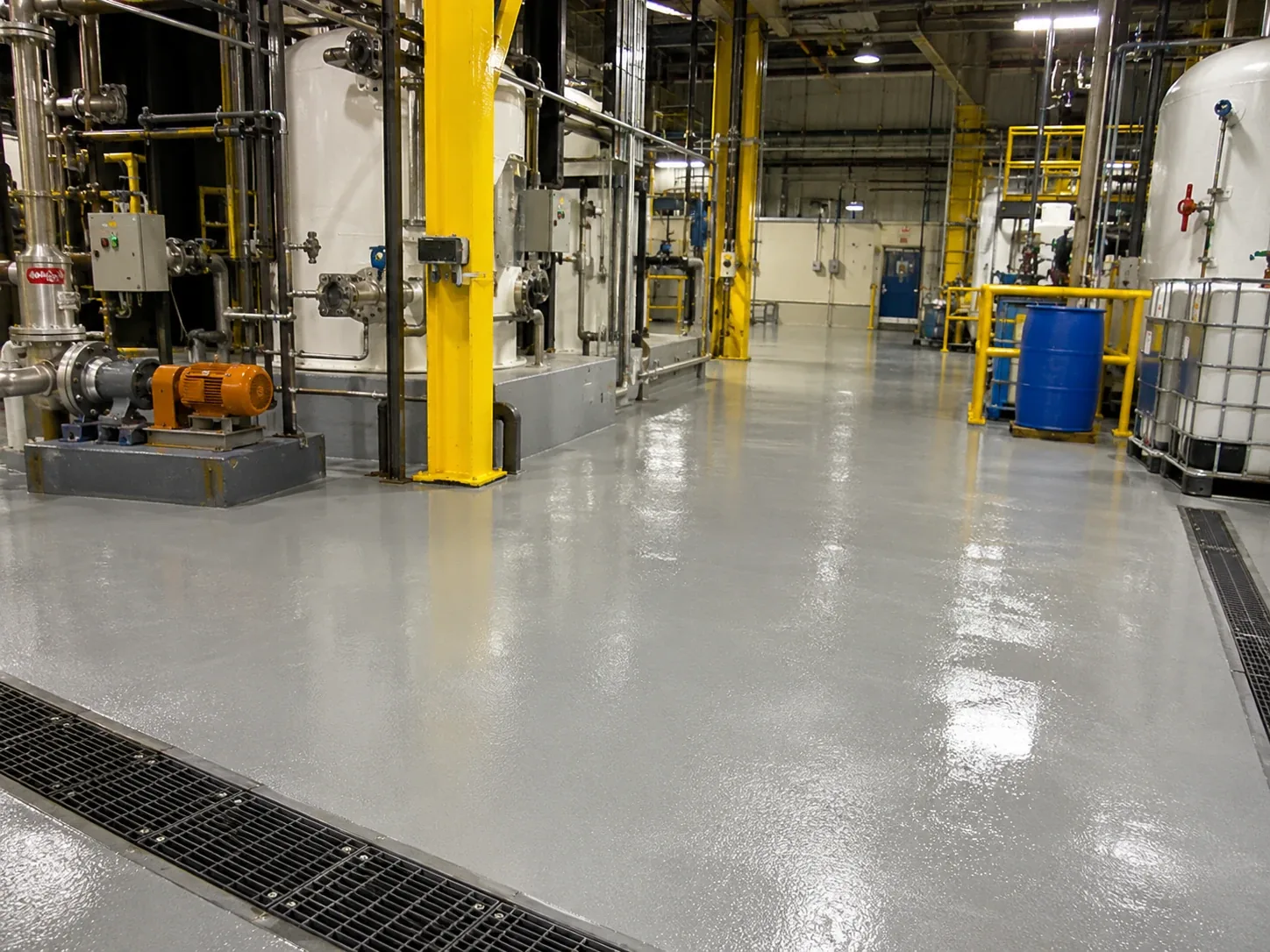
Where we use them
-
Containment floors and berms
Floors and berms that hold a spill in place until it can be cleaned up.
-
Battery and charging rooms
Rooms where forklift and equipment batteries are stored and charged.
-
Wash bays and process areas
Areas that get washed down or see chemicals every day.
-
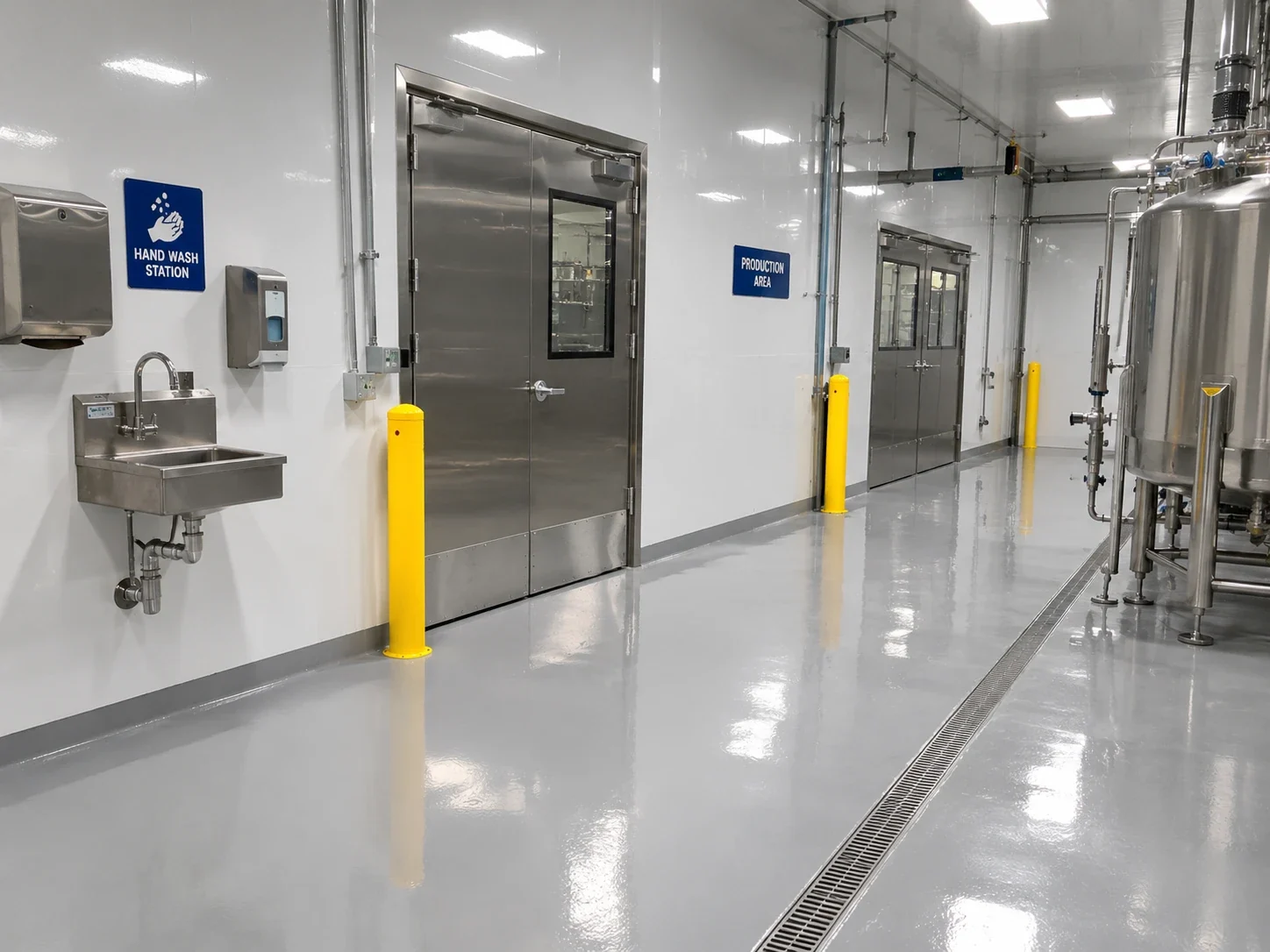
Labs
Lab floors and walls that need a tougher finish than standard paint.
Who this is for
Facility, plant and maintenance managers, warehouse owners with battery or wash areas, and engineers and general contractors. The area has to stay out of use until the coating cures, so we plan around shutdowns, nights and weekends, or do one section at a time.
How a chemical-resistant job runs
-
Find out what's spilled
We look at the area and the chemicals it sees.
-
Prep
Surfaces are cleaned and prepped to the data sheet or spec.
-
Coat
The chemical-resistant system goes on.
-
Cure and test
It cures, gets tested, and goes back into use.
See the full process, step by step
For facility and maintenance managers planning chemical-resistant coatings, here is every step we follow, from the first look to putting the area back in use.
Standards: Each chemical-resistant system is applied to the manufacturer's data sheet or your engineer's spec, including recoat and cure times, with dry film thickness and adhesion checked.
Safety on these jobs: The crew wears the respirators and gear each product calls for, and safety data sheets for every product are on site. Chemical safety, Respiratory protection
Where we do this work: Plants, warehouses, labs and wash bays across Metro Vancouver and the Fraser Valley.
More industrial coatings services Industrial Coatings Dryfall CeilingsSafety Yellow and BollardsRust Removal and SteelPipe Colour CodingTank and Equipment PaintingFood and Pharma WallsProtective CoatingsTank Linings
Related Floor coatingsEpoxy floors
Where do you use chemical-resistant coatings?
On containment floors and berms, in battery and charging rooms, in wash bays and process areas, and in labs.
How do you pick the coating?
It's chosen for the chemicals in that area, then applied to the manufacturer's data sheet or your engineer's spec.
How long is the area out of use?
Until the coating has cured to its data sheet. We plan that time into a shutdown, nights or weekends, or do one section at a time.
How much do chemical-resistant coatings cost?
Each area is priced after a free site visit. The price depends on the size of the area, the condition of the surface and the prep it needs, the coating system for the chemicals involved, and when the area can be closed. You get a written quote before any work starts, and the price only changes if the scope changes or work is added or removed.
Looking for a free quote?
Tell us about your building and the work you need. We’ll get back to you to set up a site visit.
Phones answered 7am–7pm, every day. Quote requests are acknowledged the same day.
- Bonded & insured
- Member in good standing of DC38
- Red Seal painters on our crews
- Lead jobs done by lead-trained crews