Our whole crew has been trained in lead paint safety by the Hazardous Materials Association of BC, so lead is handled the right way from containment to cleanup.
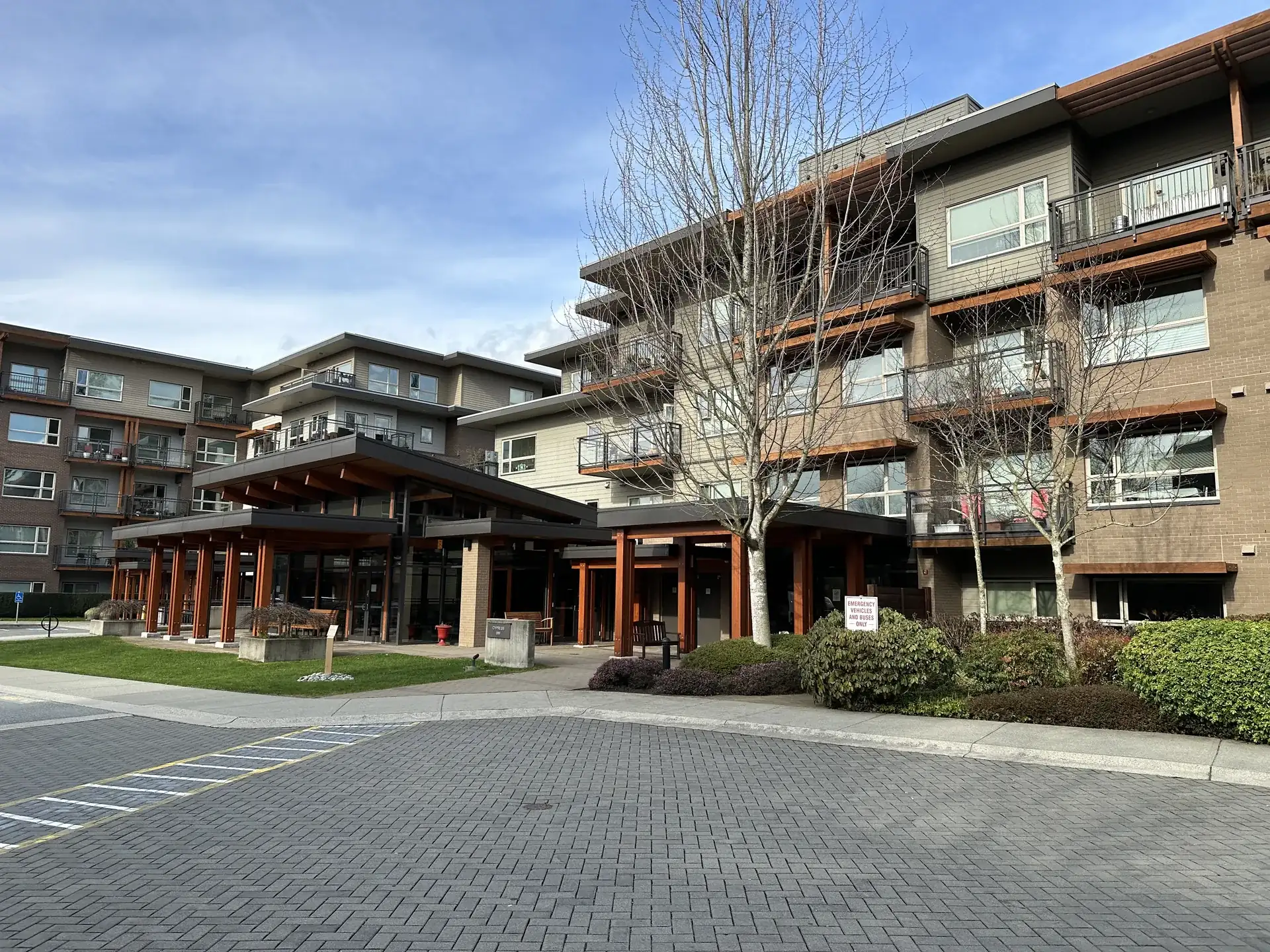
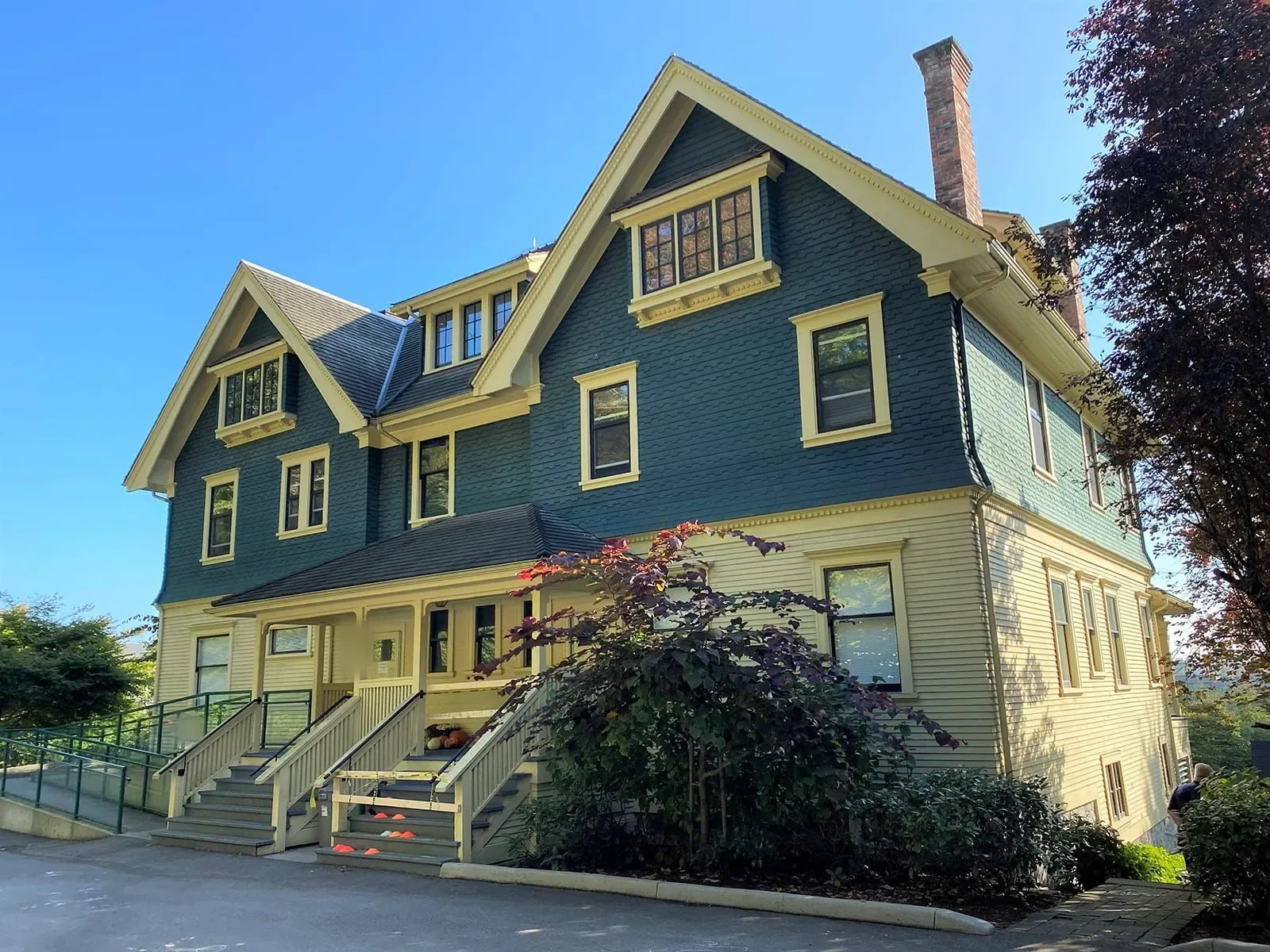
We have done this work at a healthcare centre, a post-secondary building and a heritage strata complex, then finished the surfaces with new coatings.
Lead paint projects
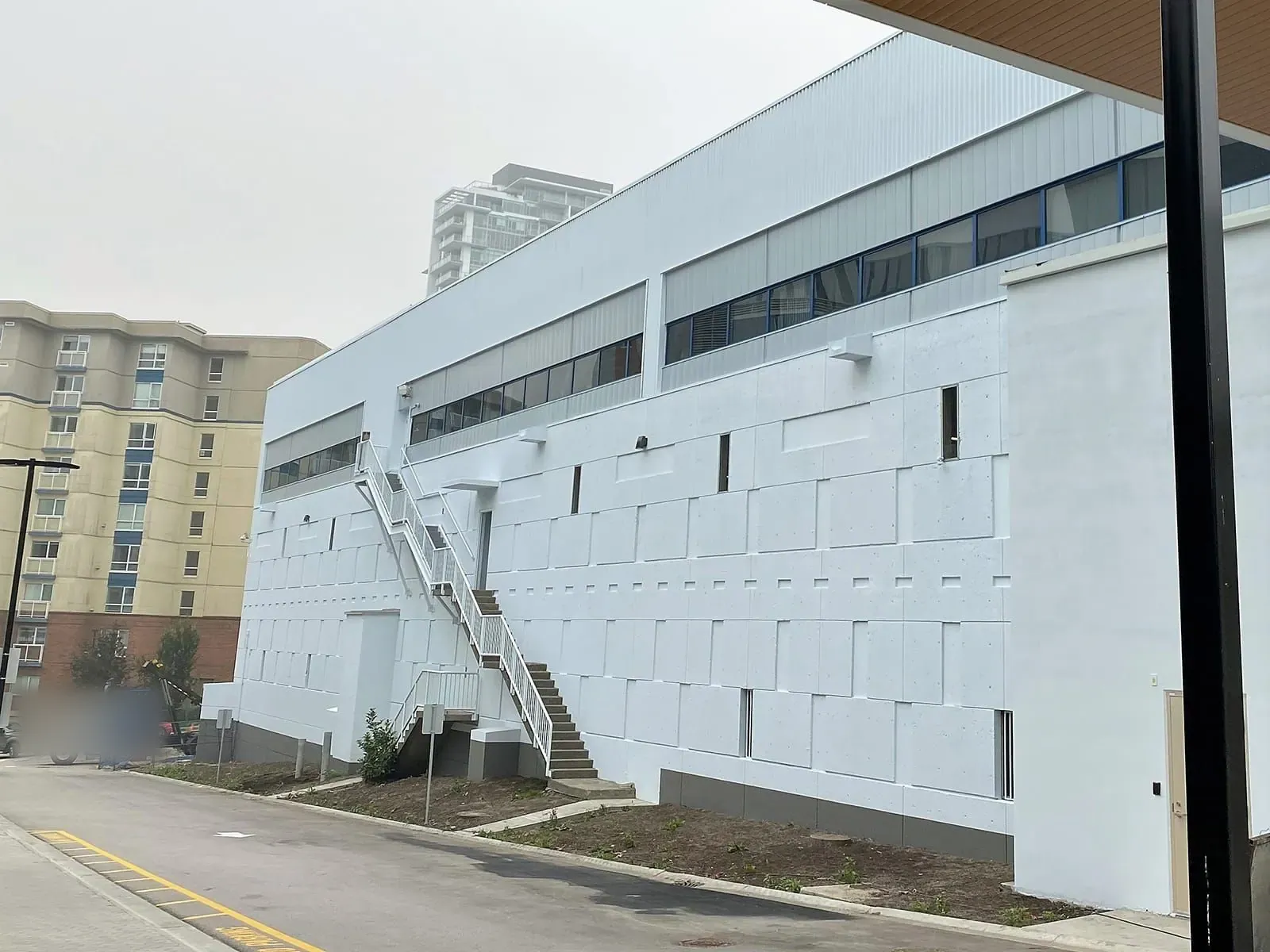
Post-secondary building
Widespread coating failure and lead-based paint, in an active, year-round teaching environment. The building was safely prepared, remediated and repainted.
An independent third party tests the paint before any work starts.
Contain the area
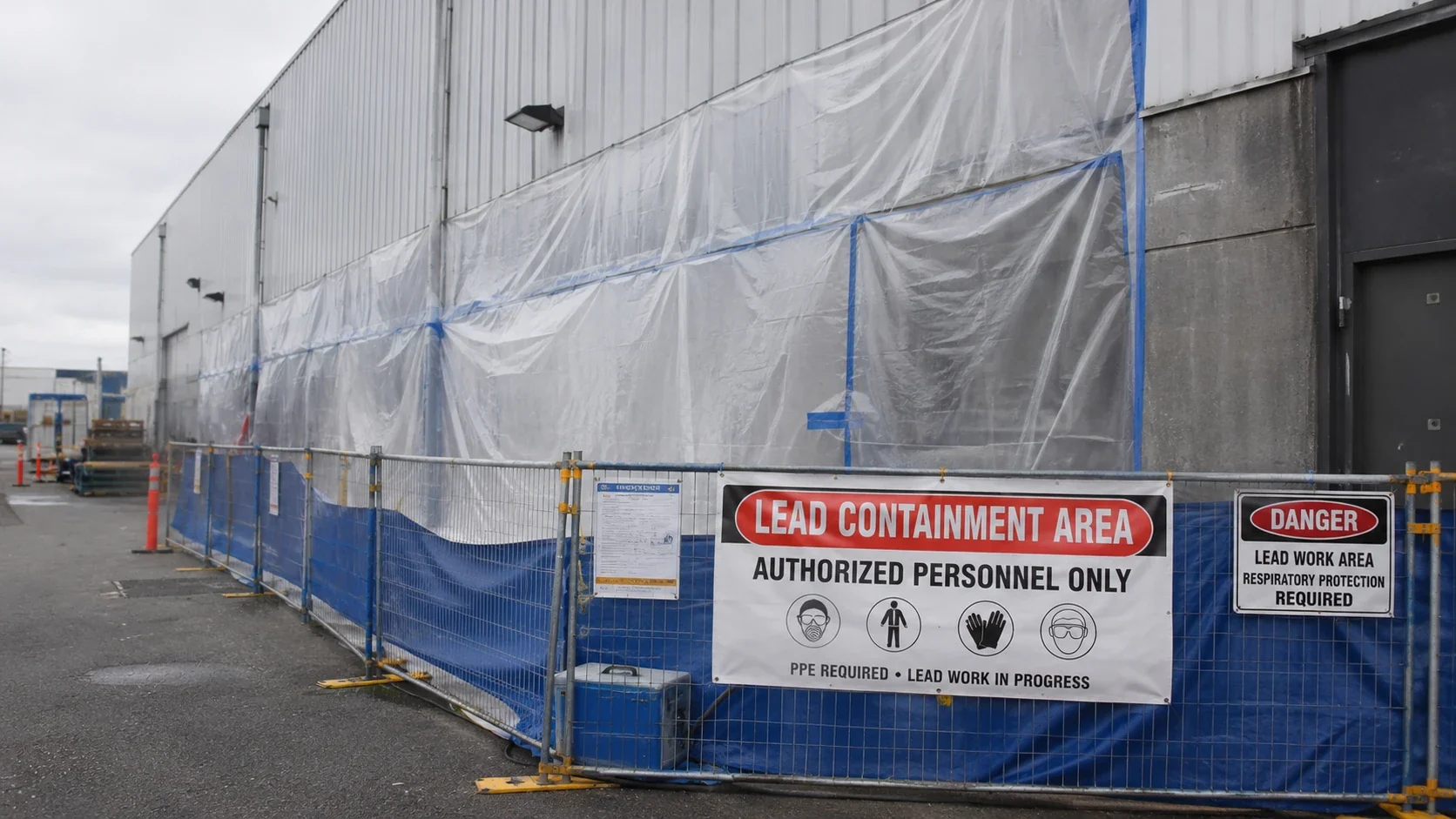
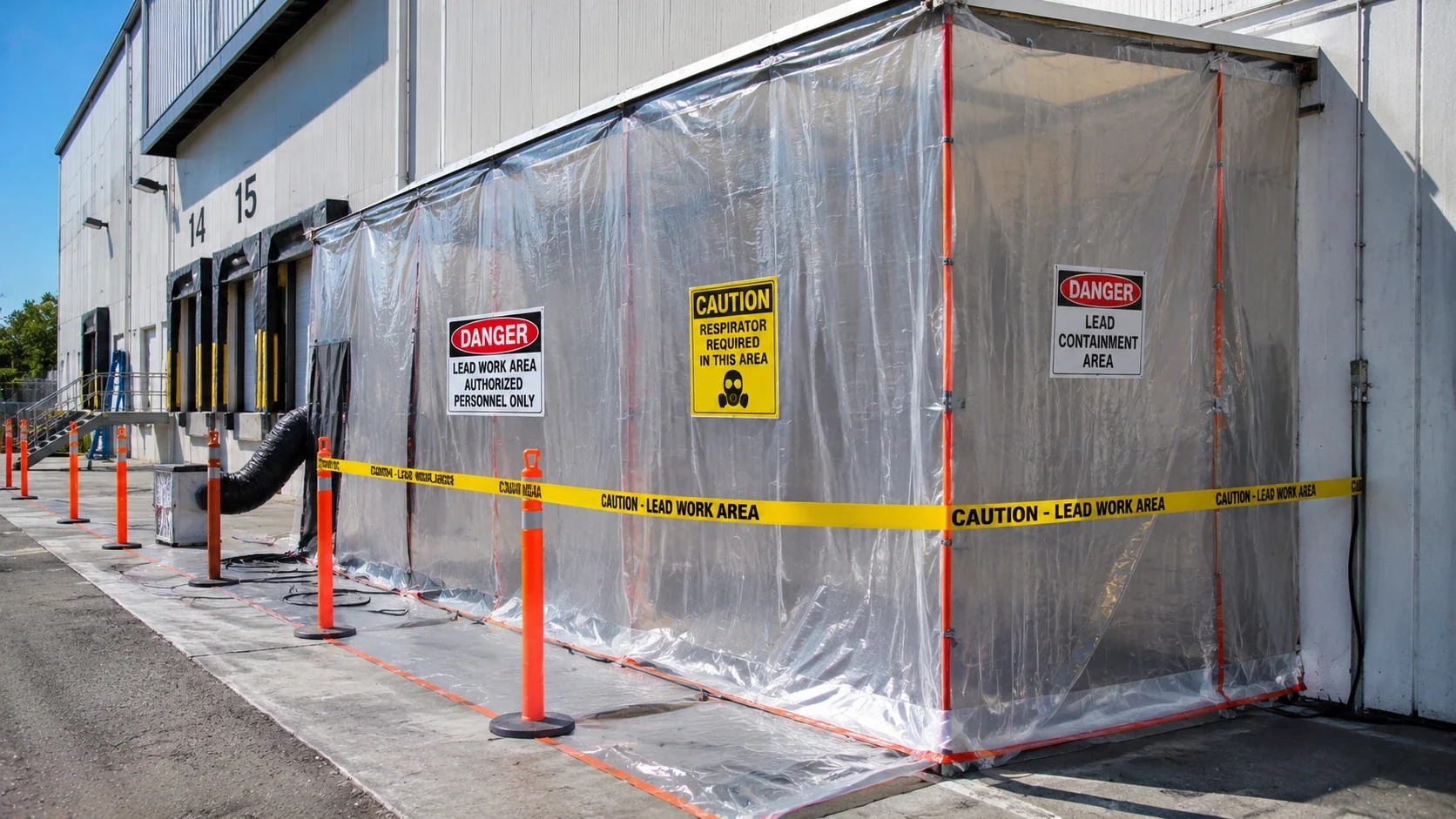
Poly and full containment where needed, with negative air and HEPA scrubbers in interior spaces.
Remove it safely
Hand tools to keep fine dust down, chemical strippers when needed, and daily air monitoring when lead is over the limit.
Seal, coat and clean
Encapsulation, then top coats. Waste goes to a hazardous materials company, and the area gets a full clean down.
See the full process, step by step
For facility, property and strata managers planning work on lead-containing paint, here is every step we follow, from the first test to handing the area back. Every step follows WorkSafeBC's regulations and guidelines and our own safety system for leaded substrates.
1. Site tour
We walk the building with your facility or property manager and look at every surface in the scope, especially the places lead is most often found: older paint, structural steel coatings, railings, and window and door trim. We take measurements, check access, and learn who uses the building and when, so the work can be planned around them.
Walk-through with your facility or property manager
Surfaces most likely to contain lead identified
Measurements and access checked
Who uses the building, and when, noted
2. Third-party lead testing
An independent third party tests the paint before any work starts. The results decide how the job is controlled. Even when the results come in under the limit, we still follow our lead safety protocols to protect our crew and anyone else working nearby.
Paint tested by an independent third party
Results decide the level of control
Under the limit: our lead safety protocols still apply
Over the limit: daily air sampling and personal monitoring
3. Safety planning
Lead work follows WorkSafeBC's regulations and guidelines and our own safety system for leaded substrates, including a written exposure control plan and respirator program. Every crew member has been trained in lead paint safety by the Hazardous Materials Association of BC. Our permits and records are carried on site: the Notice of Project (NOP), respirator fit tests and daily safety checks. Where we determine lifts are the best way to reach the work, it's done from aerial lift platforms by safety-trained operators. If asbestos is suspected, work stops.
WorkSafeBC regulations and our own system for leaded substrates
Written exposure control plan and respirator program
Crew trained by the Hazardous Materials Association of BC
Notice of Project, fit tests and daily safety checks carried on site
Aerial lifts by safety-trained operators where they're the best access
Work stops if asbestos is suspected
4. Scope and quote
We put everything into a written scope of work: which surfaces are included, the controls the test results call for, how the lead will be removed, and the encapsulation and top coats we'll apply. You review it with your team, and work only goes ahead once you've approved exactly what you want.
Written scope of every surface included
Controls set by the test results
Removal method for each surface
Encapsulation and top coats specified
Reviewed and approved before work starts
5. Scheduling around occupants
We plan the work so the building can keep running. Lead work has been done in an active, year-round teaching environment and at a healthcare centre, with each area scheduled so staff, students and residents stay clear.
Planned around the people using the building
Done one area at a time
Occupants kept clear of every work zone
6. Preparing at our warehouse
The job starts at our own warehouse. We load the containment and safety equipment the job calls for, order the encapsulant and coatings specified for your building, and rent anything we don't keep on hand in advance. The crew goes over the plan before leaving so everyone knows their part.
Poly sheeting and poly tape
Negative air machines and HEPA scrubbers
Proper waste bags
Decontamination supplies
Hand tools and chemical strippers
Encapsulant and coatings ordered
Crew reviews the plan before leaving
7. Daily assessment and equipment checks
Every day starts with signing in and a pre-workday meeting, joining your site's own briefing where there is one. The crew does an in-depth field assessment of the work zone together, and every tool, piece of equipment, ladder and lift is checked before use. Each day ends with a post-workday meeting.
Arrive on schedule and sign in
Pre-workday meeting
In-depth field assessment with the crew every morning
Tools, equipment, ladders and lifts checked every morning
Post-workday meeting at the end of each day
8. Containment
The work area is sealed off with poly, with full containment where the job calls for it. In interior spaces, negative air with HEPA scrubbers keeps dust from leaving the work zone. Signs and barriers keep everyone else out.
Poly sealing the work area
Full containment where needed
Negative air with HEPA scrubbers indoors
Signs and barriers keep others out
9. Protective equipment
Inside the work zone, the crew wears full hazmat suits with hoods and attached booties. Gloves are taped to the suits with poly tape, and the gloves themselves are 15 mil thick, puncture resistant and oil resistant. Eye protection and respirators with HEPA filters are worn throughout. When chemical strippers are used in a confined space, the respirators take HEPA filters with chemical resistance, and full face shields are worn when the job calls for them. Job-specific gear such as hi-vis, hard hats, steel-toe boots and hearing protection is added wherever the site needs it.
Full hazmat suits with hoods and attached booties
Gloves taped to suits with poly tape
15 mil gloves, puncture and oil resistant
Eye protection
Respirators with HEPA filters
HEPA filters with chemical resistance when strippers are used in confined spaces
Full face shields when the job calls for them
Job-specific gear where the site needs it: hi-vis, hard hats, steel-toe boots, hearing protection
10. Five-step decontamination
A full decontamination zone is set up, and everyone leaving the work zone goes through the same five steps. Through every stage, face masks, glasses, hand tools and anything else that may have been exposed to lead are cleaned too. Once outside the containment zone, there's one more wash station as a final step.
1. The outside of the suit is cleaned
2. The suit comes off, with the respirator kept on
3. First wash, for the initial contaminants
4. Second wash, more thorough
5. Third stage, a double check
Masks, glasses and hand tools cleaned through every stage
Final wash station outside the containment zone
11. Air monitoring
When the test results are over the limit, air samples are taken and workers wear personal air monitors every day, so exposure is measured, not assumed.
Air sample testing every day
Personal air monitoring on workers every day
Exposure measured, not assumed
12. Removing the lead paint
Loose and failing lead paint is removed with hand tools only, which keeps fine dust and air contamination down. Chemical strippers are used when the surface needs them.
Hand tools only, to keep fine dust down
Chemical strippers when necessary
13. Waste handling
All lead waste is double bagged in the proper bags and sealed with poly tape. A hazardous materials company takes it away and disposes of it properly.
Double bagged in the proper bags
Sealed with poly tape
Disposed of by a hazardous materials company
14. Inspection before coating
Before anything goes on, we check that the lead paint has been removed to the scope, the surface is clean, and temperature, humidity and surface conditions are within the limits on the manufacturer's data sheet.
Removal complete to the scope
Surface clean
Conditions within the data sheet limits
15. Encapsulation
Every lead job is followed by encapsulation: a coating that seals in any lead left in the substrate, applied to the manufacturer's data sheet.
Encapsulation on every lead job
Seals in any lead left in the substrate
To the manufacturer's data sheet
16. Top coating
The top coats go on over the encapsulation, as quoted, to the manufacturer's data sheet and MPI standards.
Top coats over the encapsulation
As quoted
To the manufacturer's data sheet and MPI standards
17. Full clean down
Once the work is done, the whole area gets a full clean down.
Full clean down of the area
18. Final inspection
The finished work is inspected by our team and your facility or property manager. Anything that isn't right is fixed before sign-off.
Inspected by our team and your manager
Touch-ups done before sign-off
19. Handover
Containment, equipment and protection come down, and the area is handed back clean, sealed and freshly coated.
Containment and equipment removed
Area handed back clean, sealed and coated
Before and after
BeforeAfter‹ ›
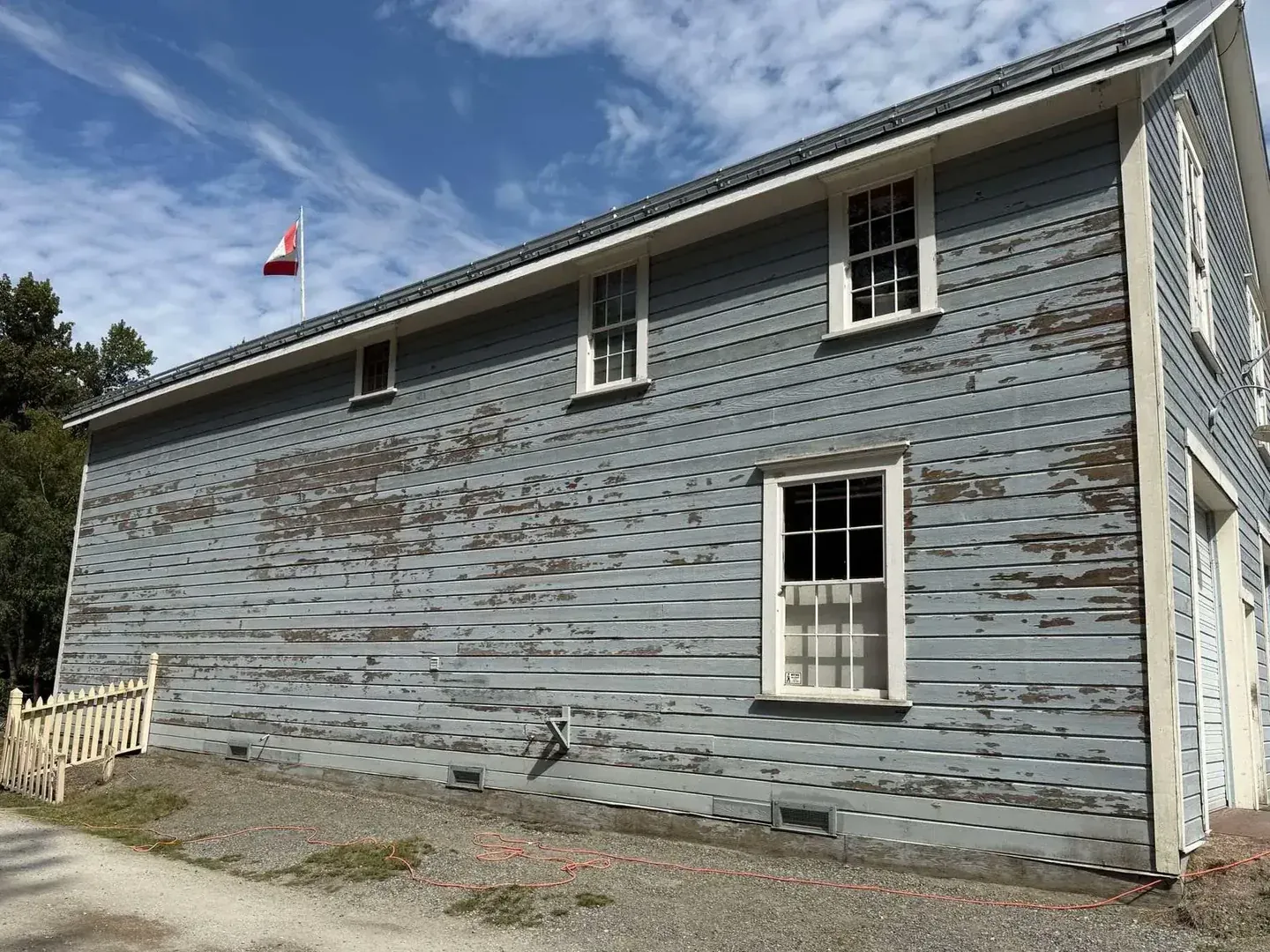
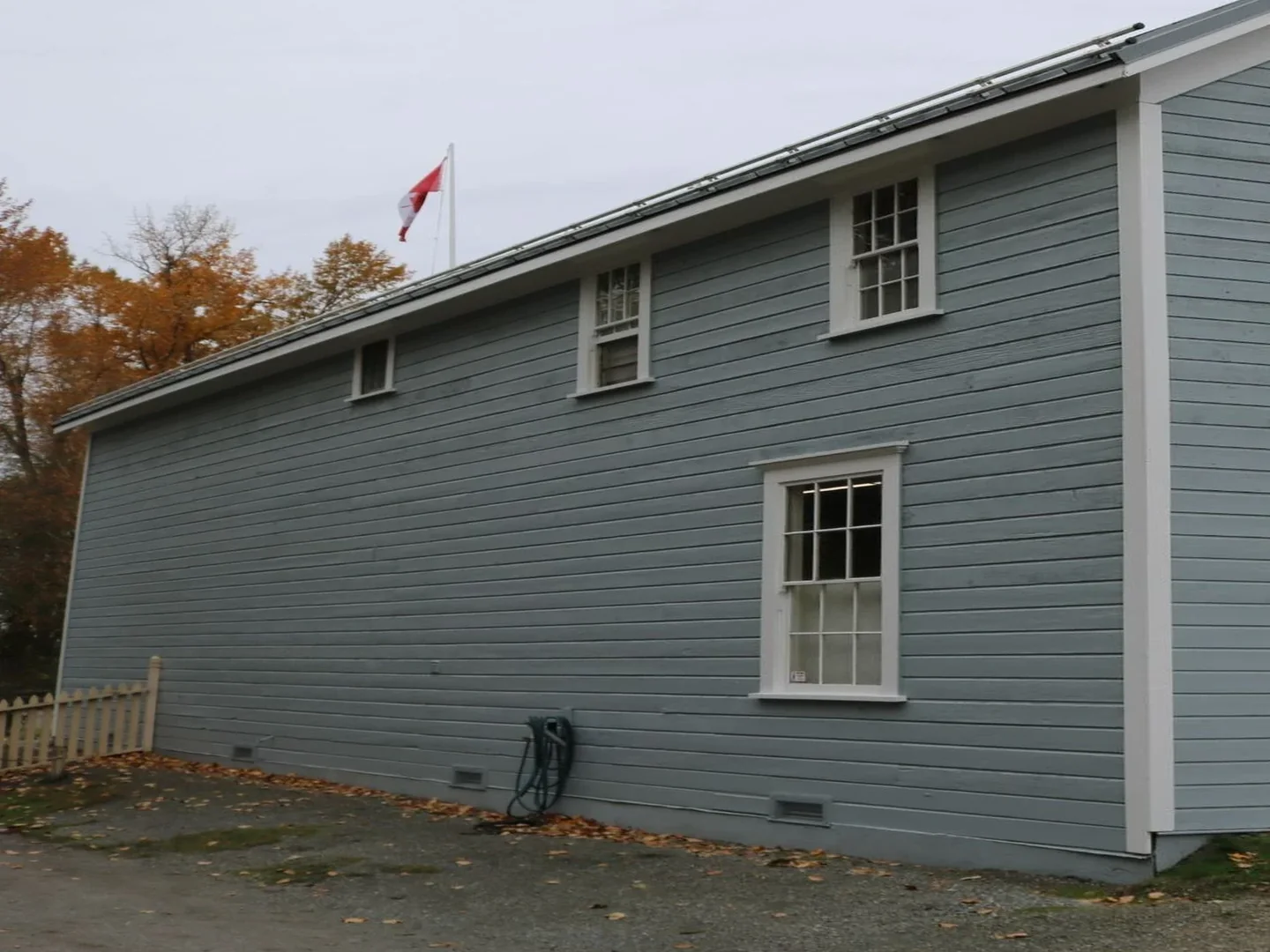
Heritage hall siding. Washed first, then the lead paint abated before the wood repairs, recaulking, primer and new paint.
A. Craig & Son Painting deals with lead paint as part of painting and restoration jobs across Metro Vancouver and the Fraser Valley, from healthcare centres to heritage strata buildings.
Can lead paint work happen while a building is in use?
We have done it that way. A post-secondary building with lead-based paint was restored in an active, year-round teaching environment, with careful planning to minimize disruption to staff and students.
What happens after the lead paint is dealt with?
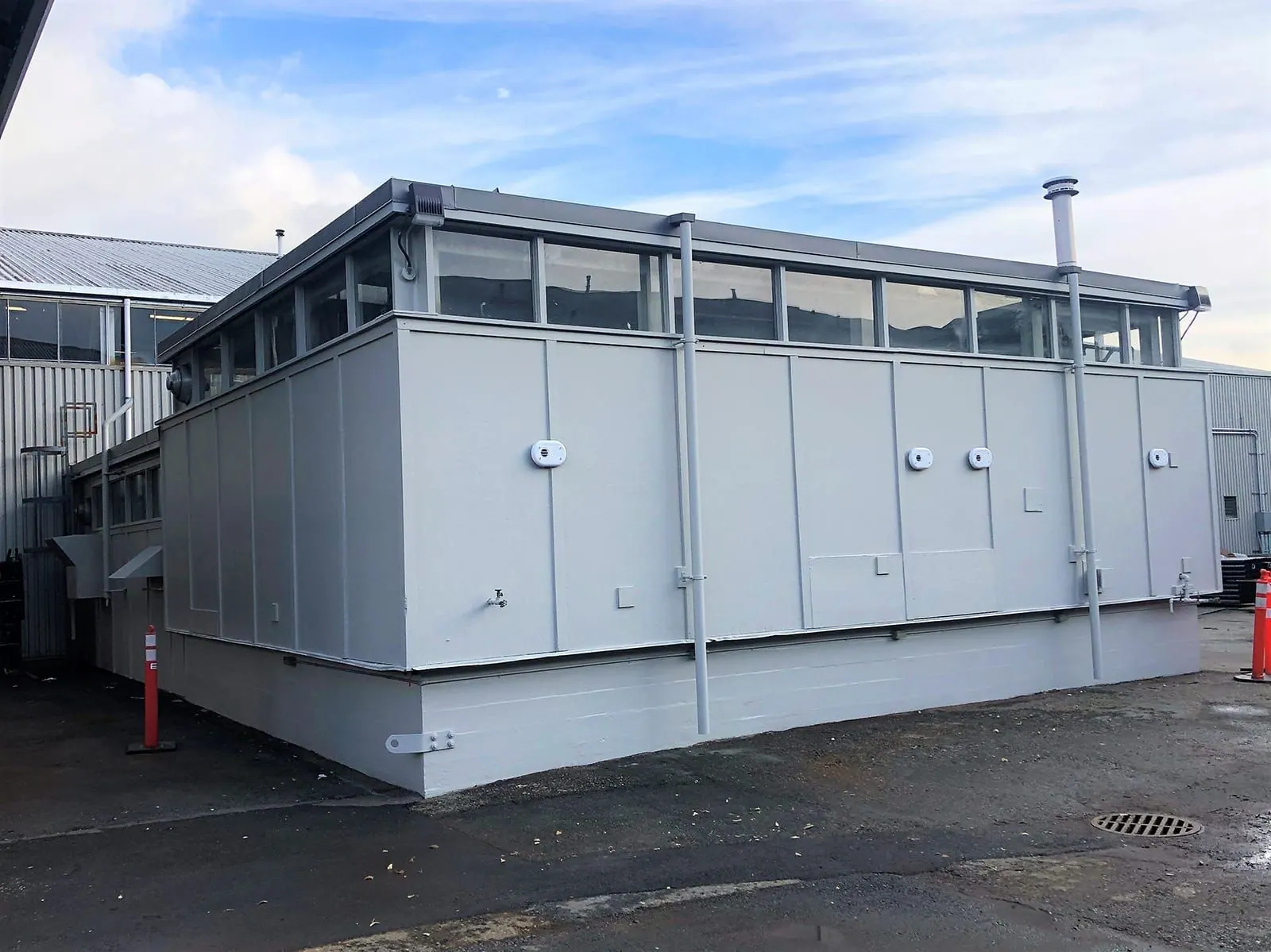
We finish the surface. On a healthcare centre handrail, the abated steel was primed with epoxy and finished with a light industrial semi-gloss enamel.
How much does lead paint abatement cost?
Every building is priced after a free site visit. The main things that set the price are how much lead paint there is and where, the containment it needs, whether the building stays in use, and the finish that goes on afterwards. You get a written quote before any work starts, and the price only changes if the scope changes or work is added or removed.
How do I get a price for lead paint abatement?
Phone 604-861-6644 or send the building address and where you think there's lead paint. We'll arrange a visit to look at it.
Standards: Abatement follows WorkSafeBC's lead requirements, plus our own written lead procedures on top of them. The repaint afterwards is prepared and coated to MPI standards.
 Get a quote Text us