
Free quote

Tell us about your project.

Tell us about your building and the work you need. We’ll get back to you to set up a site visit. Prefer to talk? Call 604-861-6644.

Text us

By sending a request, you confirm you have read the privacy policy.

Tank linings

Tank linings for containment and water tanks.

A tank lining has two jobs: protect the tank, and keep what's inside from getting out.

We line chemical and secondary containment tanks and non-potable water tanks. The work is done from inside the tank by our crews trained for confined spaces.

Book a site visit →

Tanks we line

  • Chemical and secondary containment

    Linings for chemical tanks and secondary containment.

  • Non-potable water tanks

    Linings for water tanks that don't hold drinking water.

  • Confined space work

    Work inside tanks is done by our trained crews only.

  • Lined to spec

    Applied to the lining's data sheet or your engineer's spec, with a third-party inspector where the job has one.

Who this is for

Plant and maintenance managers, facility managers, plant owners, and the engineers and general contractors who write tank specs. A tank being lined is out of use, so we plan the work around your shutdowns, nights and weekends.

How a tank lining job runs

  1. Plan the entry

    We look at the tank, what it holds and how we'll get in.

  2. Prep inside

    Inside surfaces are cleaned and prepped to the spec.

  3. Line it

    The lining goes on, coat by coat.

  4. Cure and test

    It cures, gets tested, and the tank goes back in service.

See the full process, step by step

For plant and maintenance managers planning a tank lining, here is every step we follow, from the first look to putting the tank back in service.

  1. 1. Looking at the tank

    With your plant or maintenance manager, we go over what the tank holds, its size and condition, how we'll get in and out, and how long it can be out of service.

    • Walk-through with your manager
    • What the tank holds
    • Condition inside
    • Access and downtime
  2. 2. Confined space plan

    Work inside a tank is confined space work. It's done by our trained crews only, under a plan built from your site's rules, WorkSafeBC requirements and our own safety program. Respirators are worn as the lining calls for, safety data sheets are on site, and anyone can stop the job.

    • Confined space work by trained crews only
    • Site rules, WorkSafeBC and our program
    • Respirators for the lining
    • Safety data sheets on site
    • Anyone can stop the job
  3. 3. Scope

    The written scope covers the inside surfaces to be lined, the prep standard (SSPC / AMPP, the data sheet, or your engineer's spec) and the lining system. You approve it before we start.

    • Surfaces to be lined
    • Prep standard
    • Lining system named
    • Your approval first
  4. 4. Booking the shutdown

    A tank being lined is out of use, so the work goes into your planned shutdown, nights or weekends, and is planned back from the day the tank has to return to service.

    • Planned shutdown, nights or weekends
    • Planned back from the return-to-service date
  5. 5. Loading up

    Prep tools, the lining materials, spray equipment and everything the entry plan calls for are loaded at our warehouse before the crew heads out.

    • Prep tools
    • Lining materials
    • Spray equipment
    • Everything the entry plan needs
  6. 6. Prep inside the tank

    Inside surfaces are cleaned and prepared to the lining's data sheet or your engineer's spec. On steel, rust and loose coating come off with hand and power tools.

    • Inside surfaces cleaned
    • Prepped to the data sheet or spec
    • Rust removed with hand and power tools
  7. 7. Conditions inside

    The air inside a tank can be very different from outside. We read the surface temperature and dew point inside, keep the surface at least 3°C above the dew point, and keep conditions inside the data sheet's limits.

    • Readings taken inside the tank
    • At least 3°C above the dew point
    • Inside the data sheet limits
  8. 8. Lining

    The lining goes on coat by coat, by airless spray, brush and roll, or HVLP, with recoat times from the data sheet and a wet film gauge used as we go.

    • Coat by coat
    • Airless, brush and roll, or HVLP
    • Recoat times followed
    • Wet film checked
  9. 9. Curing

    The tank stays empty until the lining has cured to the data sheet.

    • Empty until cured
  10. 10. Testing

    We take DFT readings and do adhesion tests. On jobs that call for one, a third-party coatings inspector checks the lining too.

    • DFT readings
    • Adhesion tests
    • Third-party inspector where needed
  11. 11. Back in service

    Equipment comes out, the tank and area are cleaned up, and the tank is handed back with our written guarantee.

    • Equipment out
    • Tank and area cleaned
    • Written guarantee

Standards: Linings go on to the manufacturer's data sheet or your engineer's spec, with surface readings first, film thickness and adhesion checked after, and a third-party inspector on jobs that call for one.

Safety on these jobs: Work inside tanks is confined space work, done by our trained crews only, with the respiratory protection the lining calls for. Respiratory protection, Stop work authority

Where we do this work: Tank linings at plants and facilities across Metro Vancouver and the Fraser Valley.

More industrial coatings services Industrial Coatings Dryfall CeilingsSafety Yellow and BollardsRust Removal and SteelPipe Colour CodingTank and Equipment PaintingFood and Pharma WallsChemical-resistant CoatingsProtective Coatings

Related Floor coatings

Common questions

Don't see your question?

Call 604-861-6644 Talk to a painter

Which tanks do you line?

Chemical and secondary containment tanks, and water tanks that don't hold drinking water.

Who works inside the tank?

Only our crews trained for confined space work.

Can a third-party inspector check the lining?

Yes. On jobs that call for one, a third-party coatings inspector checks the work along with our own film thickness readings and adhesion tests.

How much does a tank lining cost?

Every tank is priced after a free site visit. It depends on the size of the tank, the condition inside and the prep it needs, the lining system, how we get in and out, and how long the tank can be out of service. You get a written quote before any work starts, and the price only changes if the scope changes or work is added or removed.
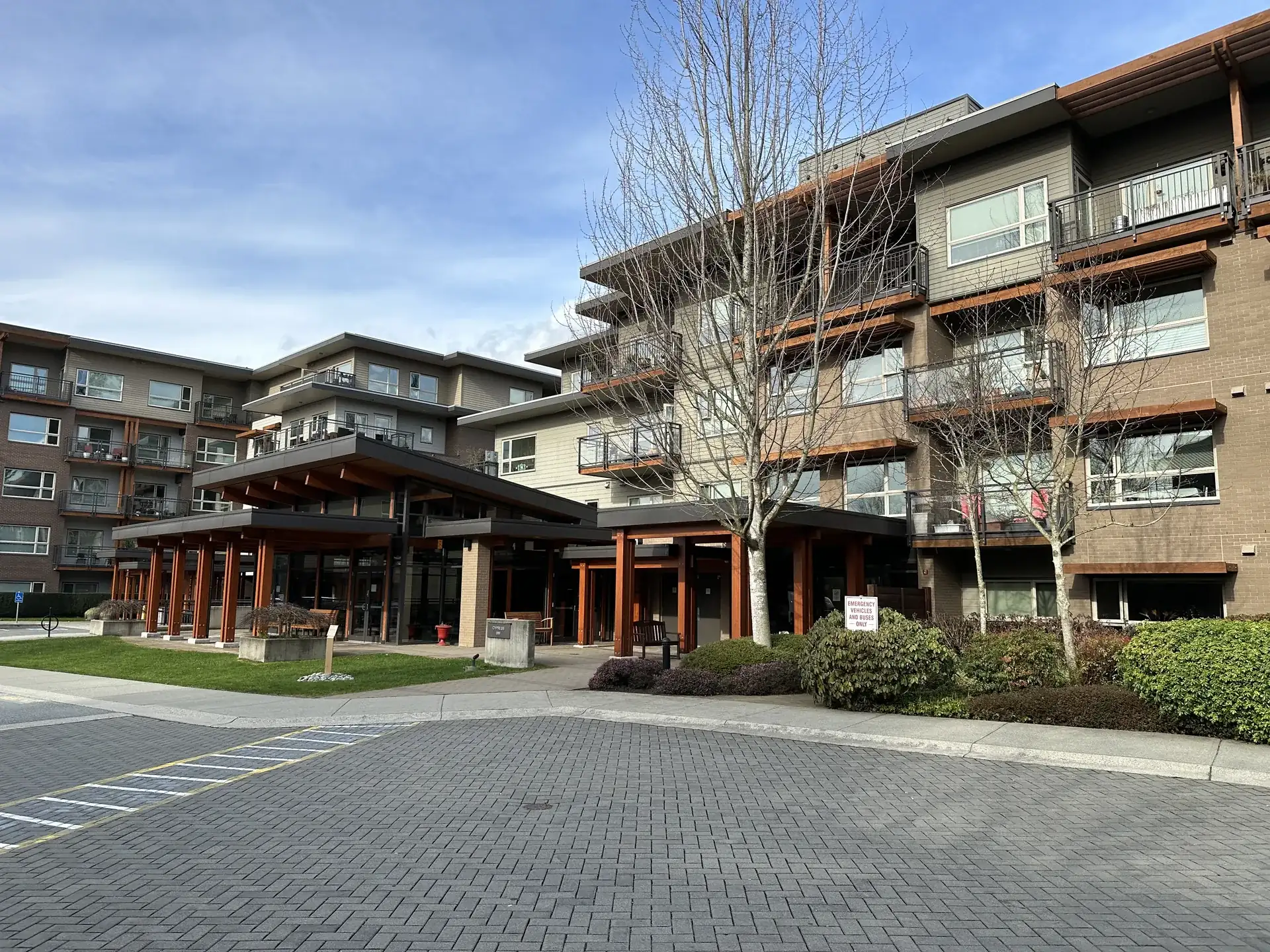
Four-storey building with restained wood columns and beams at the entrance

Looking for a free quote?

Tell us about your building and the work you need. We’ll get back to you to set up a site visit.

Phones answered 7am–7pm, every day. Quote requests are acknowledged the same day.

  • Bonded & insured
  • Member in good standing of DC38
  • Red Seal painters on our crews
  • Lead jobs done by lead-trained crews

Tell us about your project.

By sending a request, you confirm you have read the privacy policy.